
Respiratory Infection Atlas
Viral and bacterial airway infections remain among the leading causes of mortality worldwide, causing immense suffering to patients daily. Despite their profound impact, treatment options for these infections remain alarmingly limited. Furthermore, the challenges posed by aging populations and the rise of antibiotic-resistant bacteria are intensifying the burden of airway infections on global healthcare systems. These developments underscore an urgent need for innovative approaches to understanding lung structure and developing novel therapeutic strategies. Over the previous years, we have profiled extensively the impact of respiratory pathogens on the upper and lower respiratory tract using ex vivo air-liquid infection models and in the clinics across COVID-19 cohorts.
Ciliated Cell Remodeling by RSV
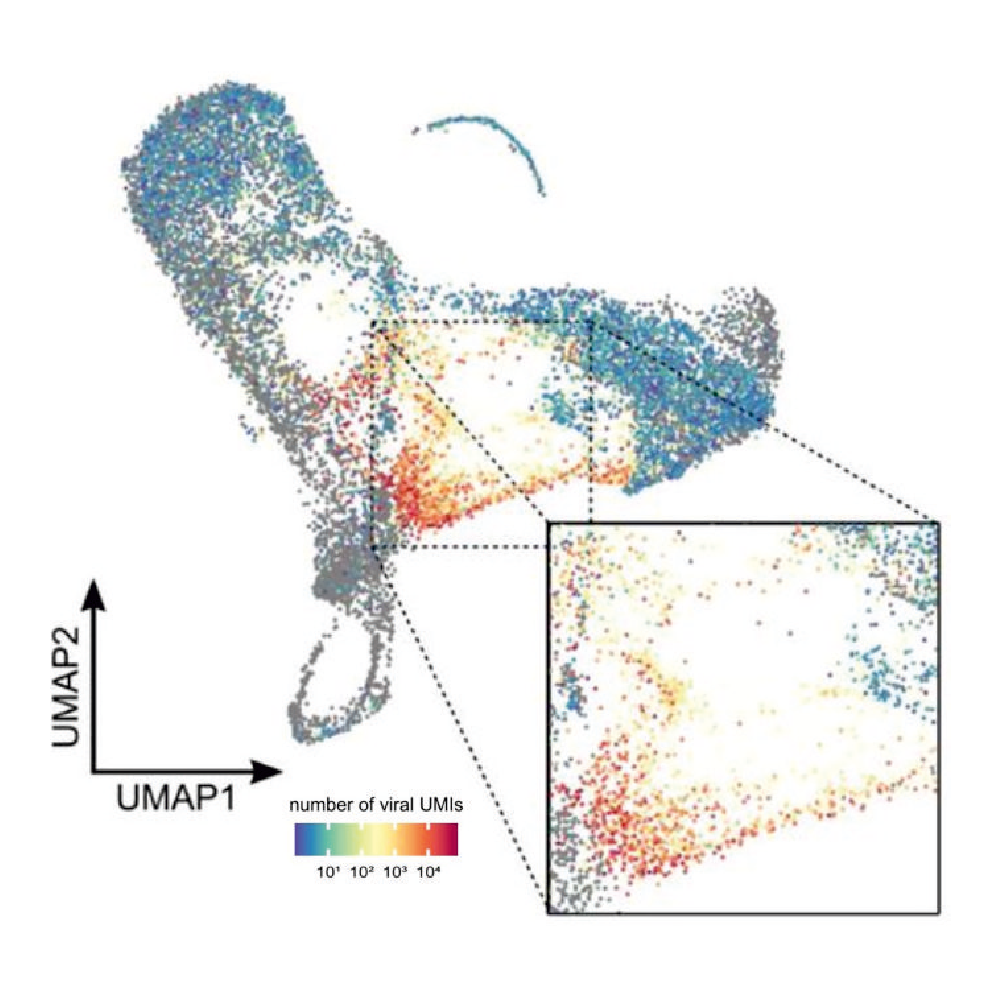
Respiratory syncytial virus (RSV) can cause severe lower respiratory tract infections in infants, older adults, and individuals with chronic or immunocompromising conditions. To understand how RSV affects airway cells, we infected primary human airway epithelial cultures with RSV and analyzed infected and bystander cells using time-resolved single-cell RNA sequencing and imaging. Using an enrichment strategy of infected cells, we decomposed the transcriptional dynamics across the viral load gradient.
Blood Atlas of Mild and Severe COVID-19 patients
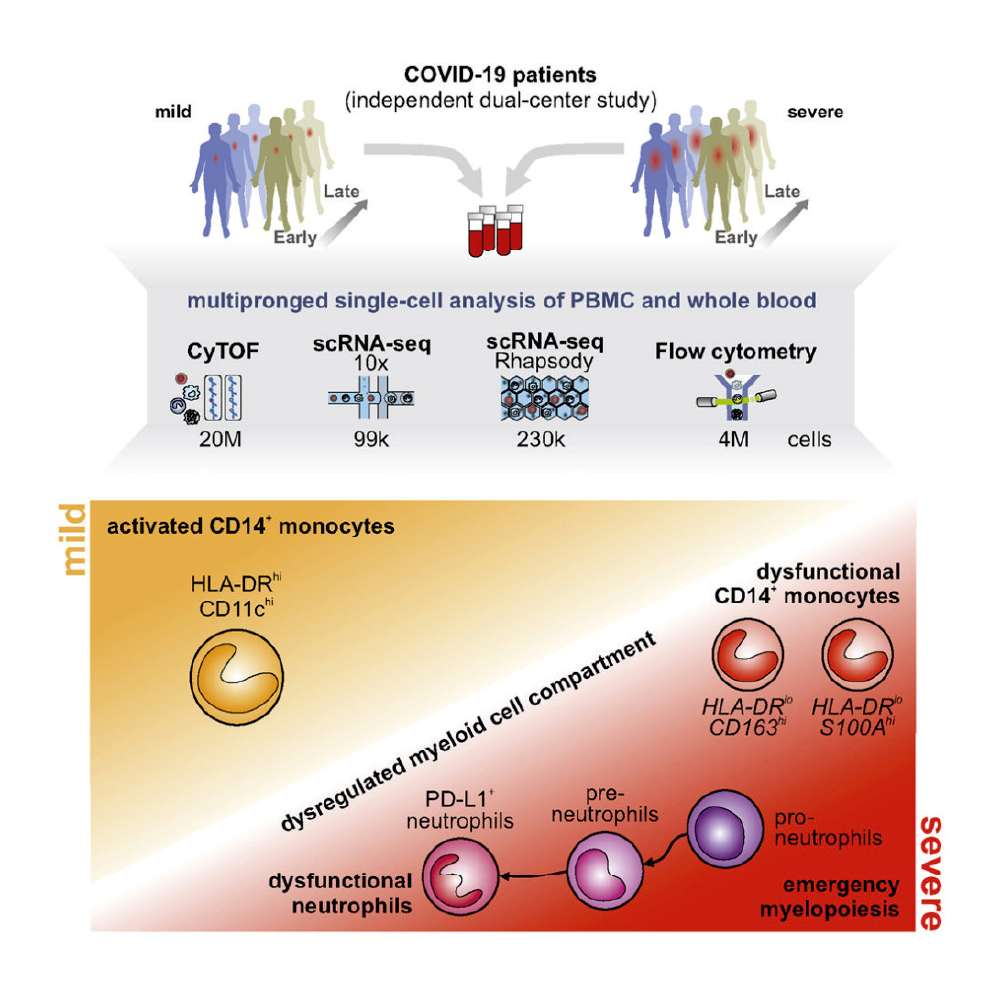
Coronavirus disease 2019 (COVID-19) is typically a mild to moderate respiratory tract infection; however, a subset of patients progresses to severe disease and respiratory failure. The mechanisms of protective immunity in mild cases and the pathogenesis of severe COVID-19, characterized by increased neutrophil counts and dysregulated immune responses, remain unclear. In a dual-center, two-cohort study, we performed single-cell RNA sequencing at the earliest stage of the pandemic to determine changes in immune cell composition and activation in mild versus severe COVID-19.
Lung remodeling in severe COVID-19 patients
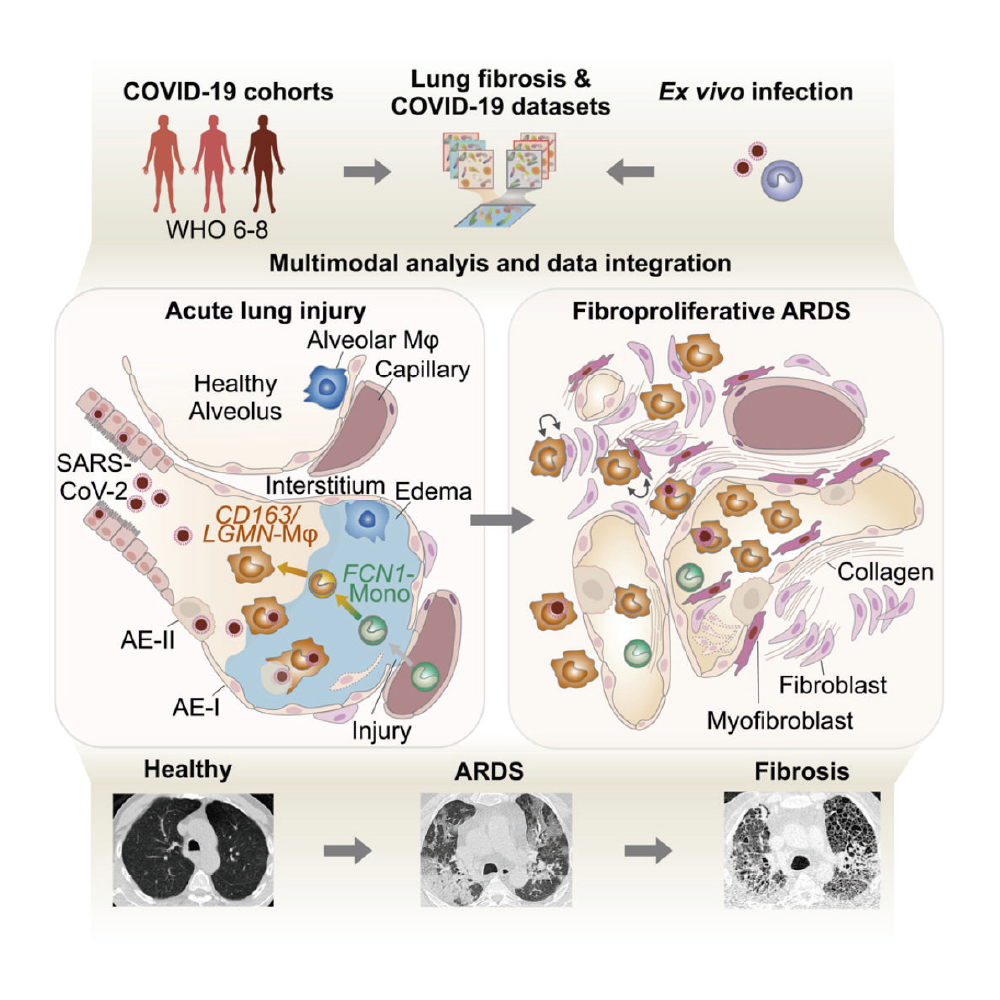
COVID-19-induced “acute respiratory distress syndrome” (ARDS) is associated with prolonged respiratory failure and high mortality, yet the mechanistic basis of lung injury remains incompletely understood. Here, we analyze pulmonary immune responses and lung pathology in patients with COVID-19 ARDS using functional single-cell genomics. We describe an accumulation of CD163-expressing, monocyte-derived macrophages that acquired a profibrotic transcriptional phenotype during COVID-19 ARDS. Gene set enrichment and computational data integration revealed a significant similarity between COVID-19-associated macrophages and profibrotic macrophage populations identified in idiopathic pulmonary fibrosis.
Dexamethasone-induced transcriptional changes
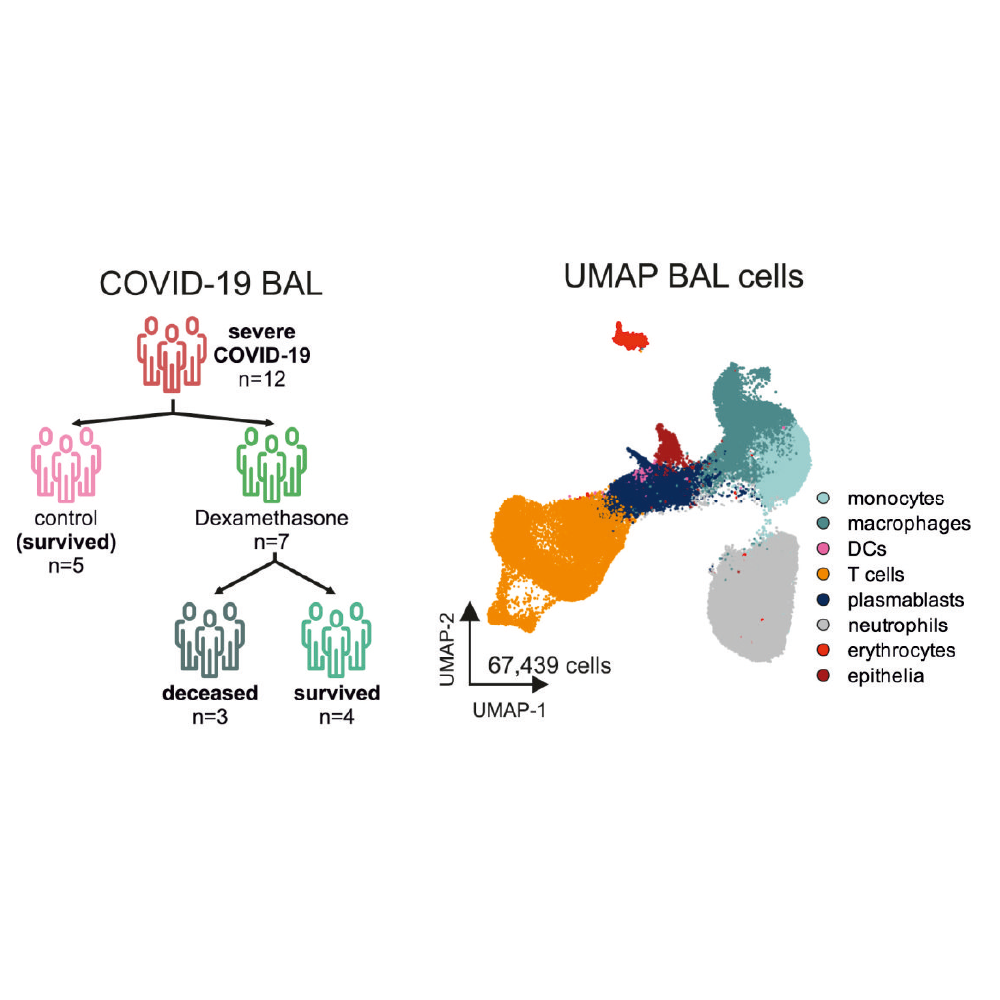
Dexamethasone is a life-saving treatment for severe COVID-19, yet its mechanism of action is unknown, and many patients deteriorate or die despite timely treatment initiation. Here, we identify dexamethasone treatment-induced cellular and molecular changes associated with improved survival in COVID-19 patients. We observed a reversal of transcriptional hallmark signatures in monocytes associated with severe COVID-19 and the induction of a monocyte substate characterized by the expression of glucocorticoid-response genes. These molecular responses to dexamethasone were detected in circulating and pulmonary monocytes, and they were directly linked to survival.
Lung sarcoidosis
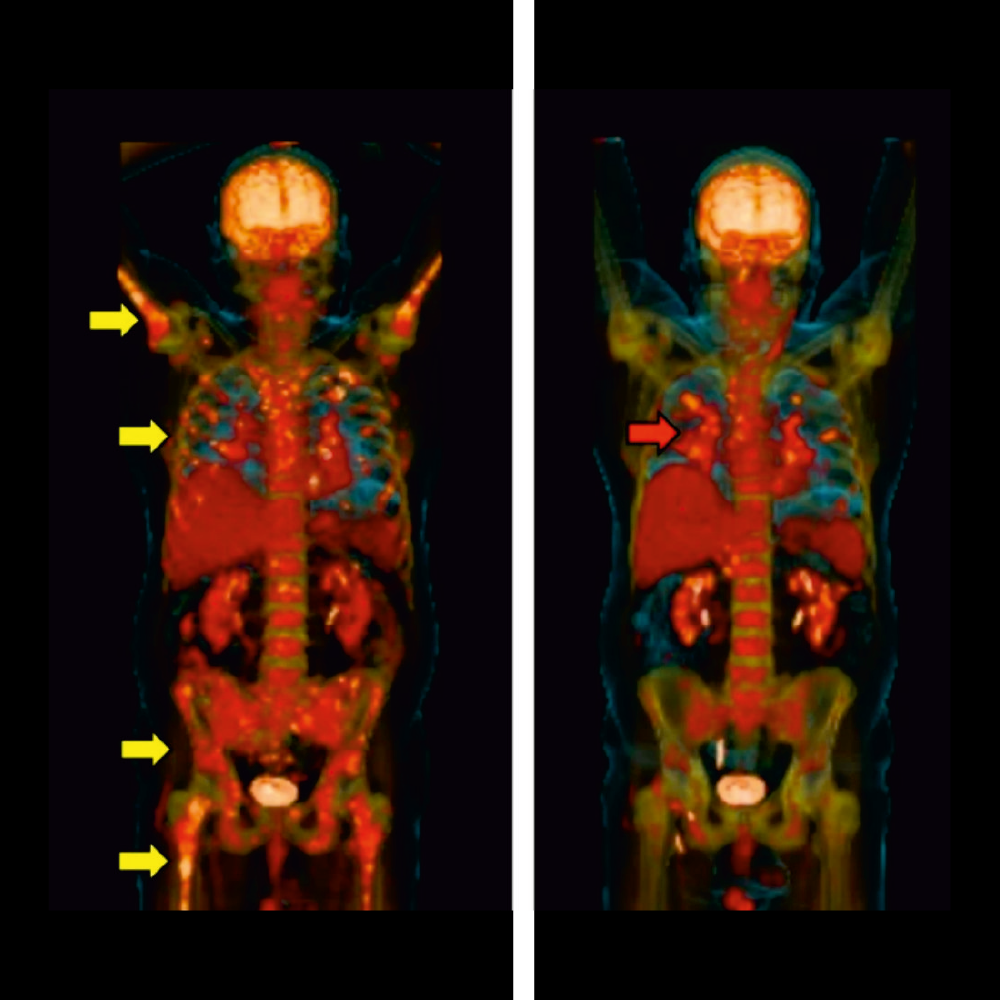
Sarcoidosis is a systemic inflammatory disease of still unknown etiology causing major respiratory inconveniences. We present a case study on pulmonary flare-up after Idecabtagen Vicleucel (Ide-cel), a BCMA targeting CAR T-cell therapy, and used single-cell RNA-seq (scRNA-seq) to identify a Th17.1 driven autoimmune mechanism as the biological underpinning of this phenomenon. This data strongly contrast with severe respiratory infections.




