
Tissue immunity atlas
A successful immune response against infectious agents relies on a complex network of interactions among diverse immune and tissue-resident cell populations. High-throughput single-cell RNA sequencing and spatial transcriptomics technologies have transformed the traditional view of immune cell biology, providing a multidimensional perspective on tissue organization, structure, and dynamics. Within the DECIDE consortium, we are investigating the spatial organization of infected tissues and the mechanisms underlying their remodeling during infection.
Hepatocytes remodeling
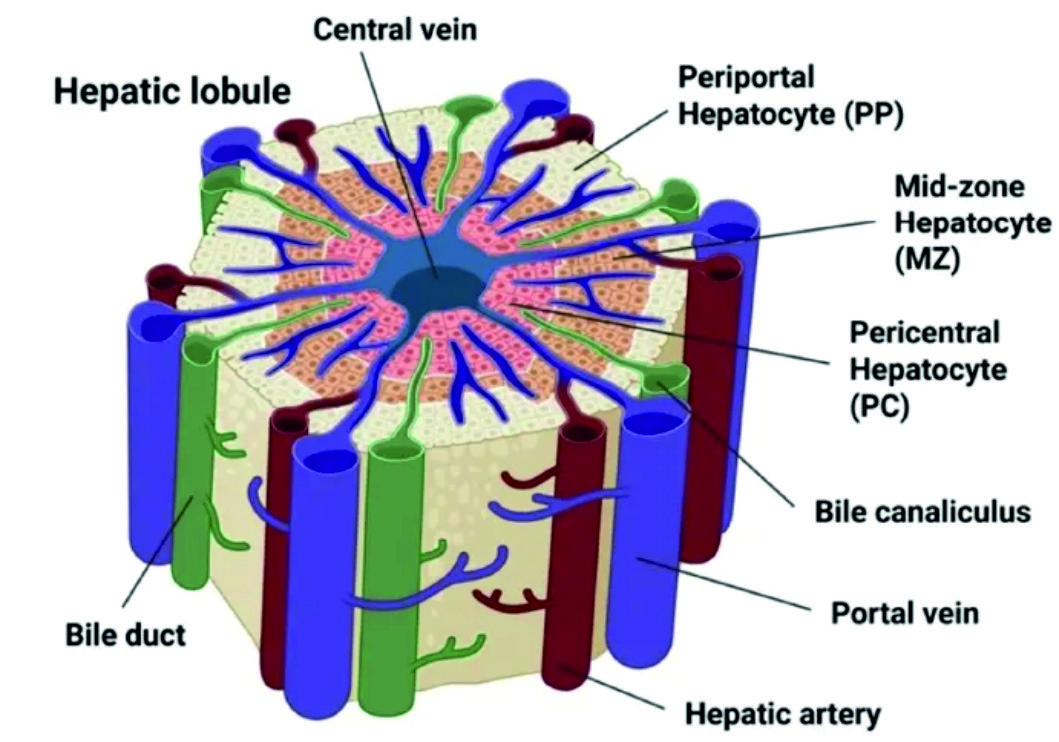
Bloodstream infections (BSI) cause substantial morbidity and mortality, with Staphylococcus aureus among the most lethal pathogens. The liver plays a central role in host defense against blood-borne microbes, yet how its zonal organization shapes this response remains unclear. In a murine model of S. aureus bacteremia, the liver sequestered ~90% of bacteria within 4 h and markedly reduced bacterial loads by 24 h, indicating rapid activation of local immune defenses. Single-cell RNA sequencing identified periportal and midzonal hepatocytes, and to a lesser extent pericentral hepatocytes, as the principal responders.
Publication Data Data Browsing
Single-cell mapping NK residency
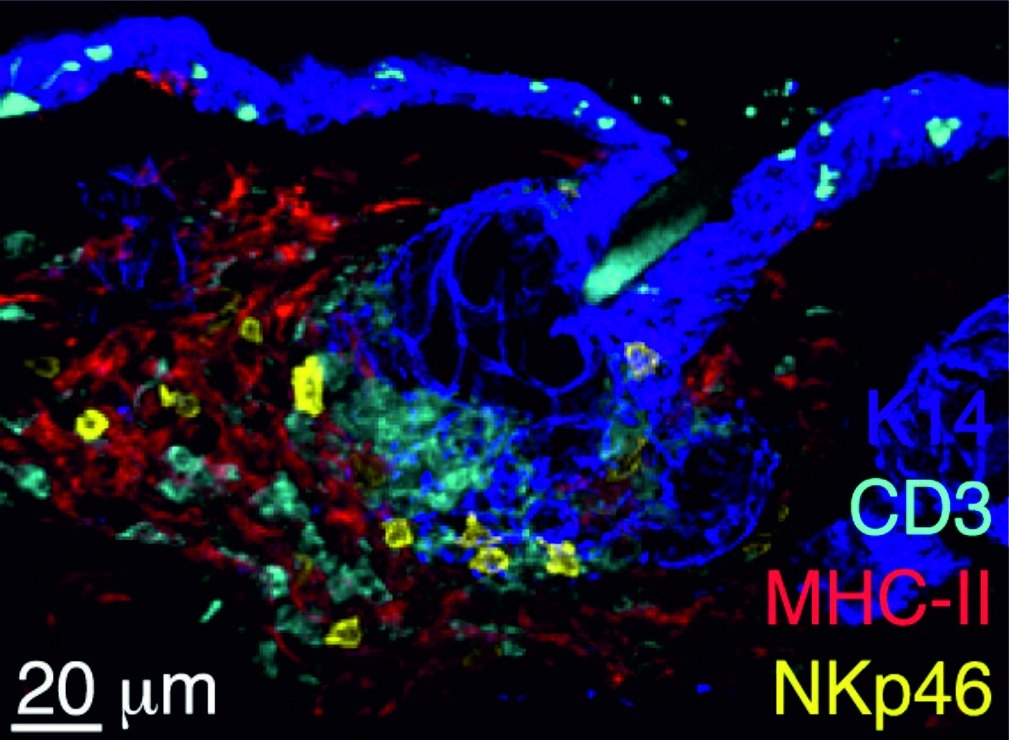
Single-cell RNA sequencing revealed that acute skin infection drives circulating NK (cNK) cells to differentiate into a distinct tissue-resident NK (trNK) cell state. The analysis identified a transcriptional program characterized by high expression of Tcf7, Cd69, and genes associated with tissue residency, persistence, and memory-like functions. Trajectory analyses suggested a developmental transition from circulating NK cells toward long-lived resident NK cells, while comparison with human datasets showed similarities to CD56^bright skin NK cells. These findings indicate that infection-induced tissue-resident NK cells are transcriptionally distinct from conventional circulating NK cells and contribute to enhanced local immune protection upon secondary challenge.
CD8 T cells priming
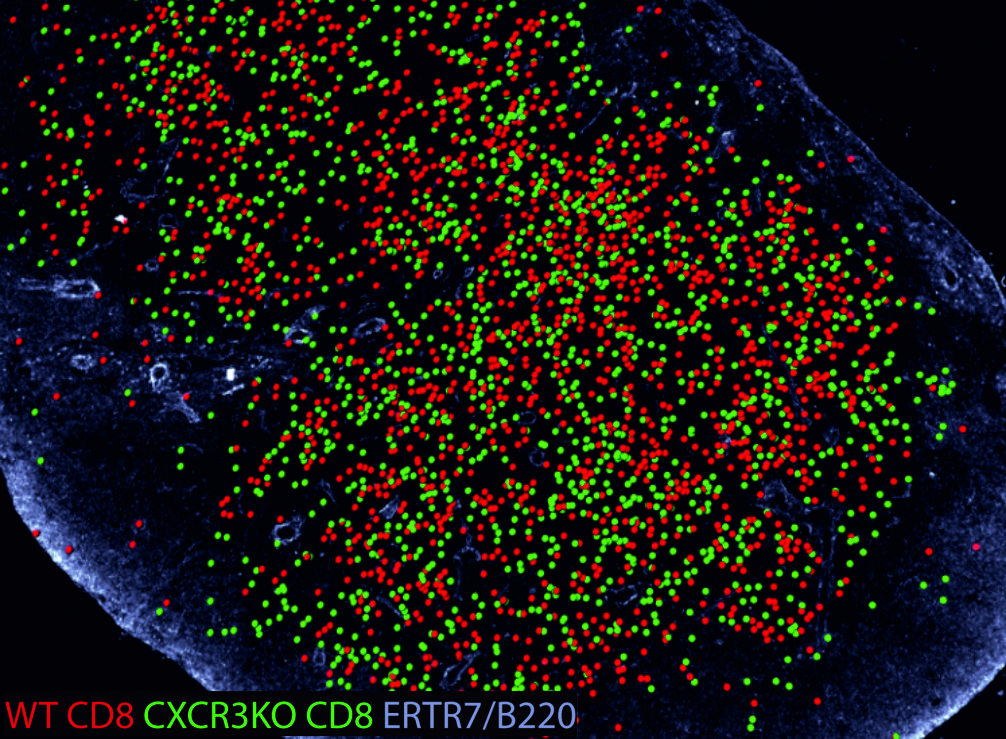
T cell priming is characterized by an initial activation phase that involves stable interactions with dendritic cells (DCs). How activated T cells receive the paracrine signals required for their differentiation once they have disengaged from DCs and resumed their migration has been unclear. We identified a distinct priming phase that favors CD8 T cells expressing receptors with high affinity for antigen. CXCR3 expression by CD8 T cells was required for their hours-long reengagement with DCs in specific subfollicular niches in lymph nodes. CD4 T cells paused briefly at the sites of CD8 T cell and DC interactions and provided Interleukin-2 (IL-2) before moving to another DC.
Publication Data Data Browsing




